





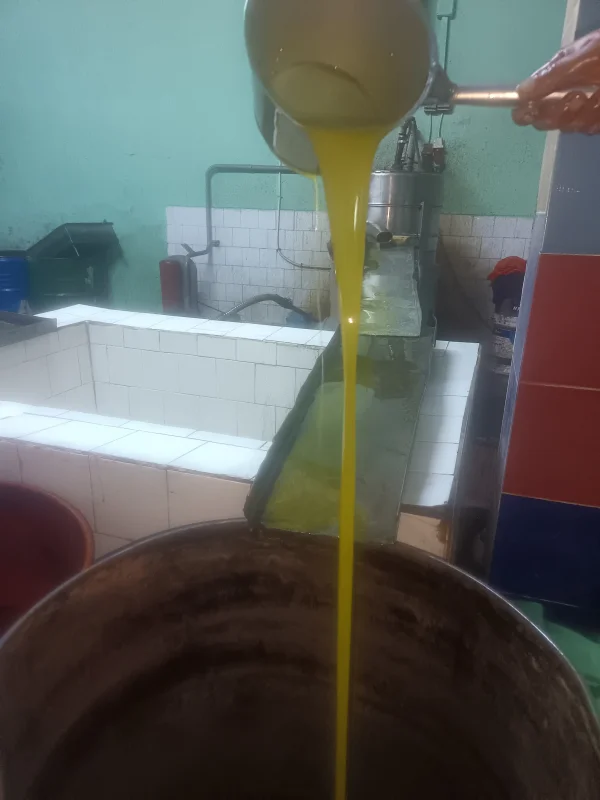
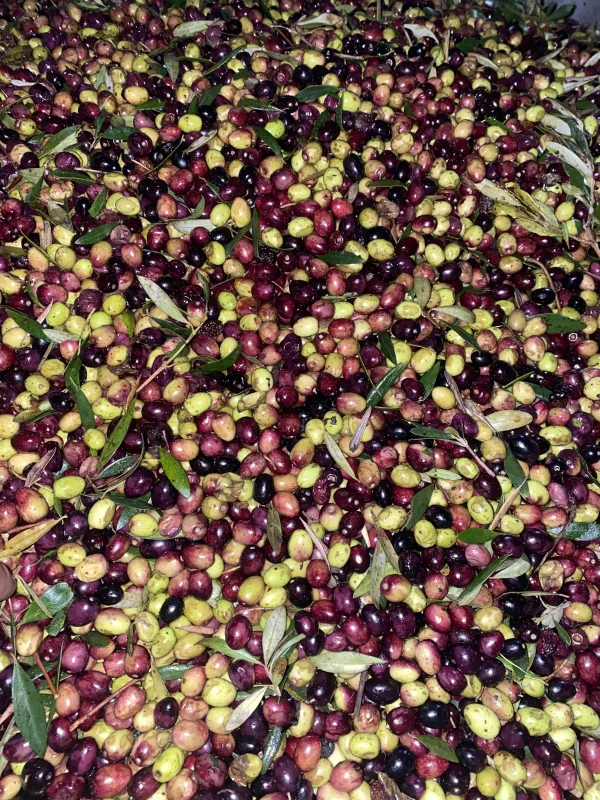
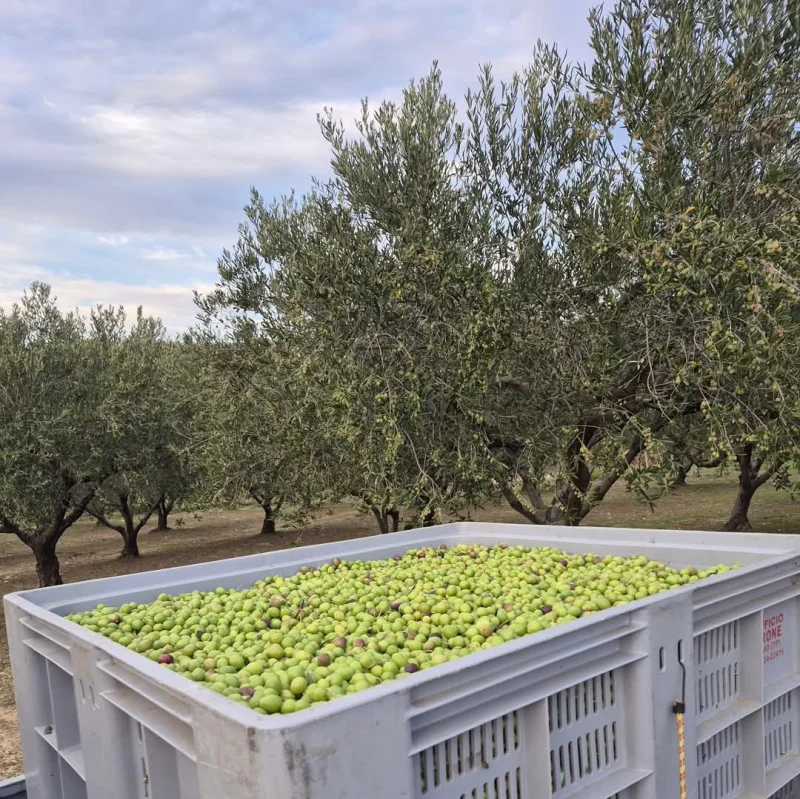
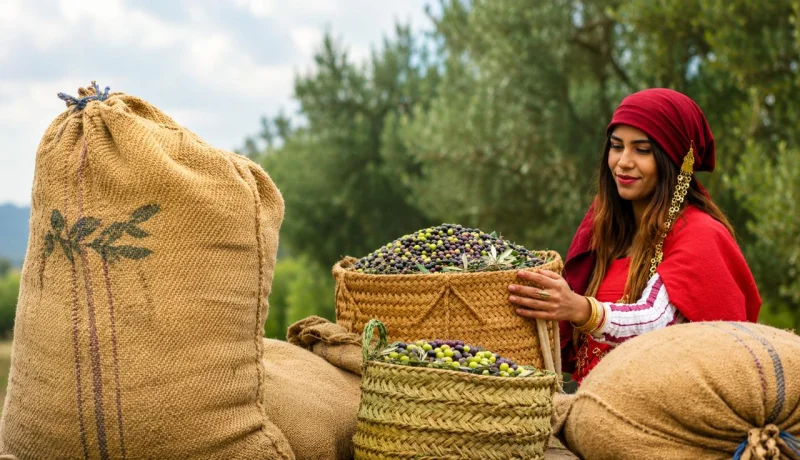
When we talk about olive oil, attention immediately turns to Green Tunisia. This is no coincidence; Tunisia has a history that spans thousands of years in the cultivation and pressing of olives. Great civilizations have succeeded one another on this land, from the Phoenicians and Carthaginians to the Romans, and each civilization left its mark and enhanced the cultivation of this blessed tree, making Tunisia one of the most important and best olive strongholds in the world.
Why Tunisia in particular?
The geographical nature and temperate Mediterranean climate in Tunisia play a decisive role in the growth of the olive tree. Fertile lands, and climate disparity between the humid north and arid south, created an ideal environment for the development of diverse and unique varieties. This genetic diversity has produced more than 10 main varieties, each characterized by chemical and sensory properties that make Tunisian oil a fierce competitor for global quality awards.
The Most Famous Olive Varieties in Tunisia
| Leaf Image | Name (Arabic) | Name (English) | Nom (Français) | Distinctive Features |
|---|---|---|---|---|
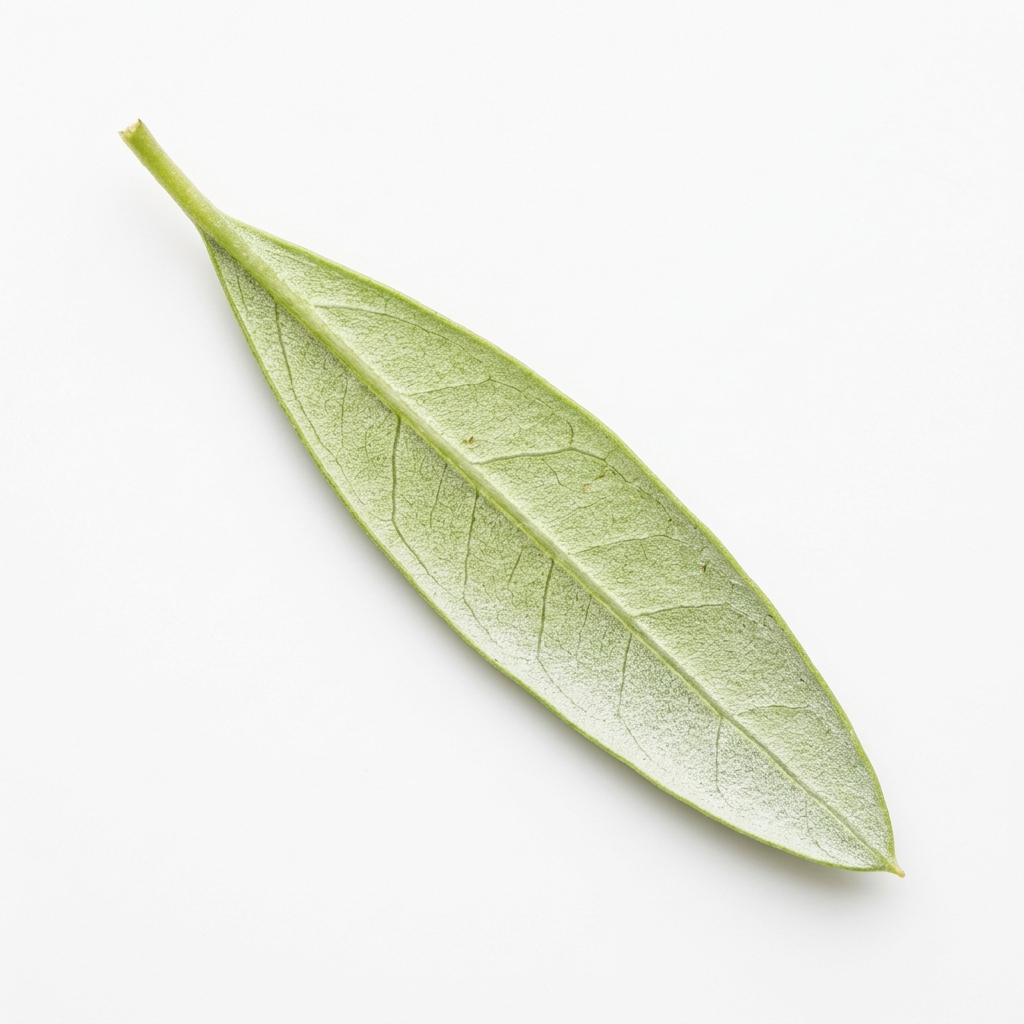
|
الشملالي | Chemlali | Chemlali | Light fruity notes, drought resistance (central and southern Tunisia). |
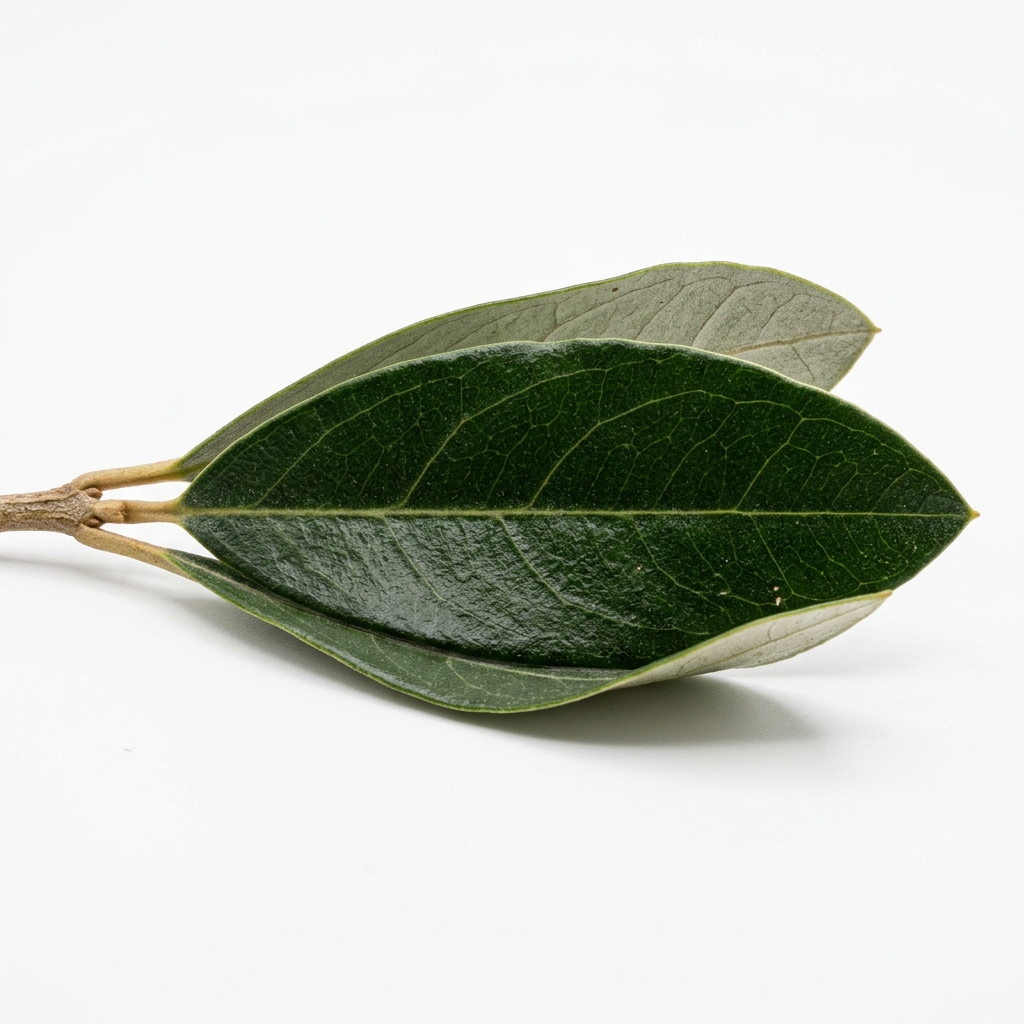
|
الشتوي | Chetoui | Chétoui | Strong taste, very high percentage of antioxidants (northern Tunisia). |
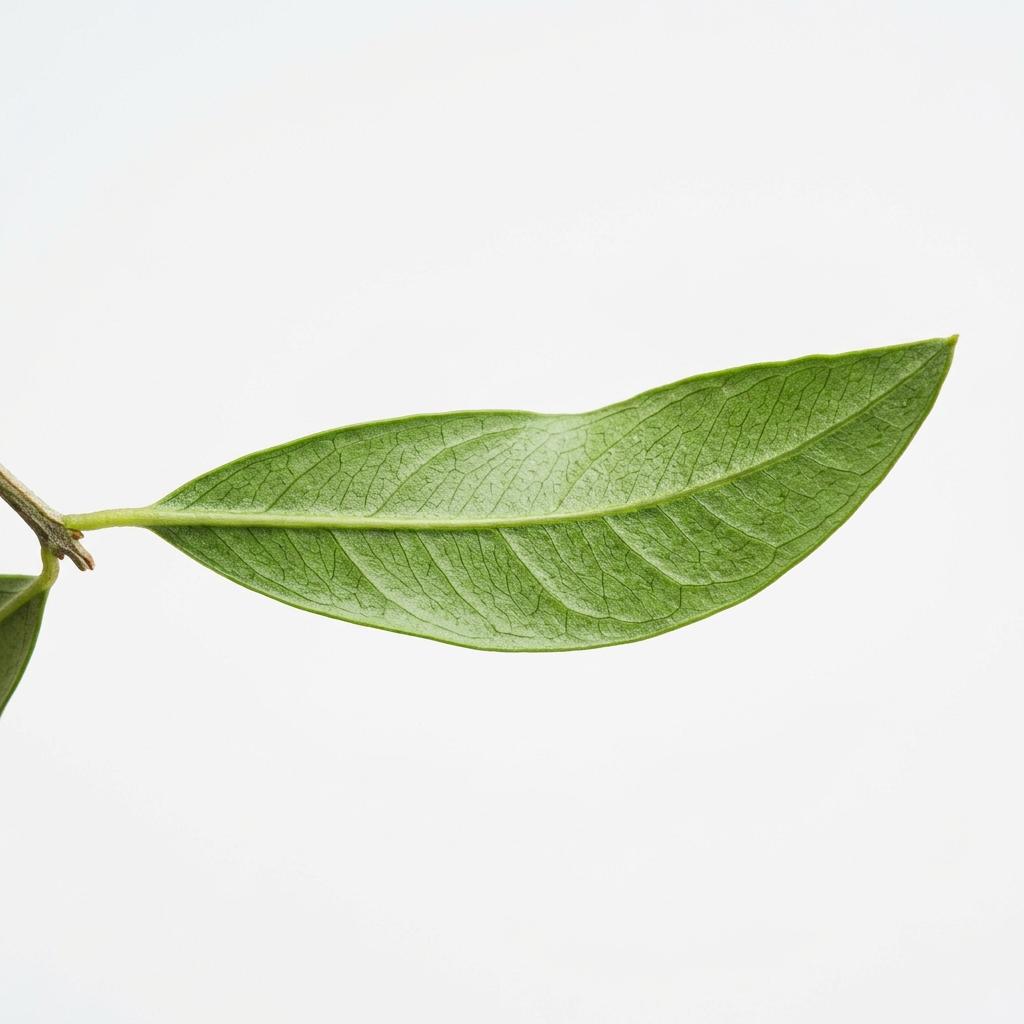
|
الوسلاتي | Oueslati | Oueslati | Very well-balanced oil with a wonderful almond flavor. |
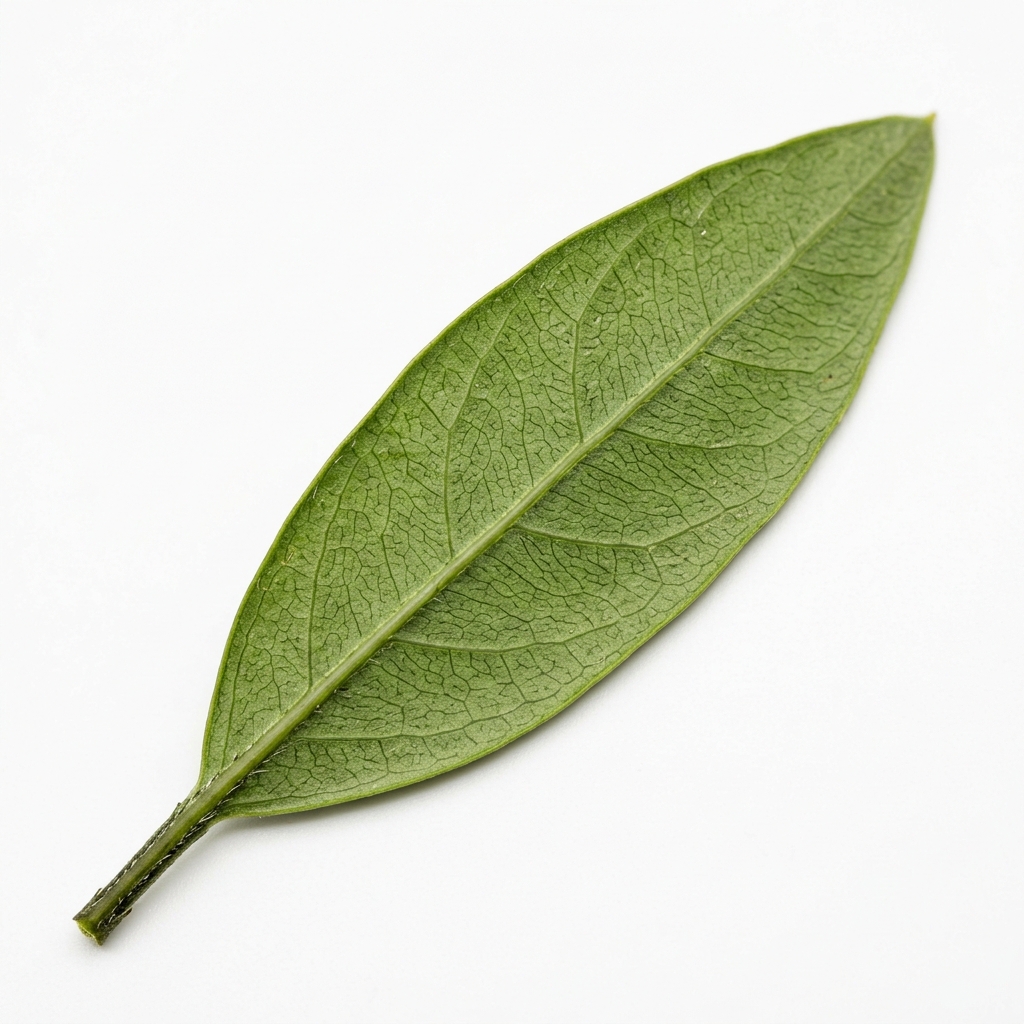
|
الزلماتي | Zalmati | Zalmati | Similar to Chemlali but characterized by an excellent extraction rate. |
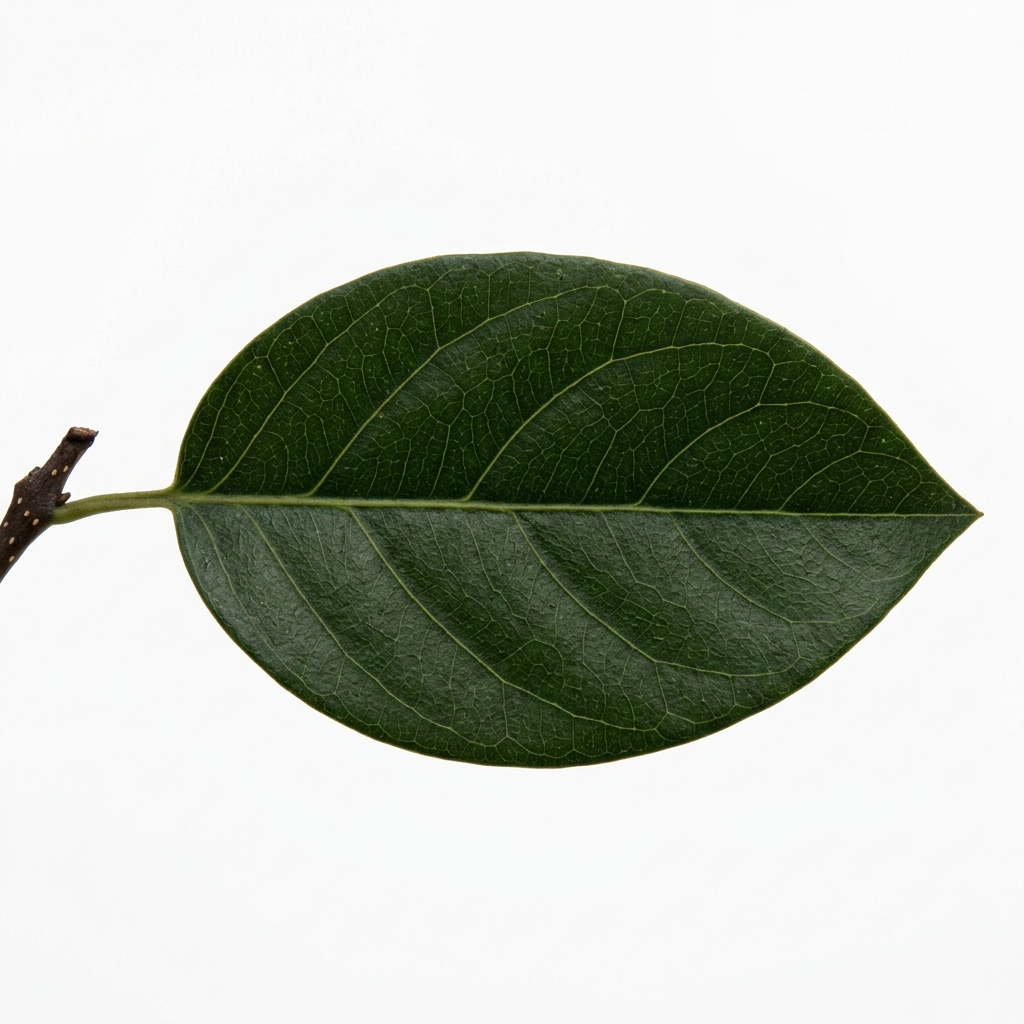
|
الزرازي | Zarazi | Zarazi | Large berries suitable for pickling and pressing, sweet-tasting oil. |
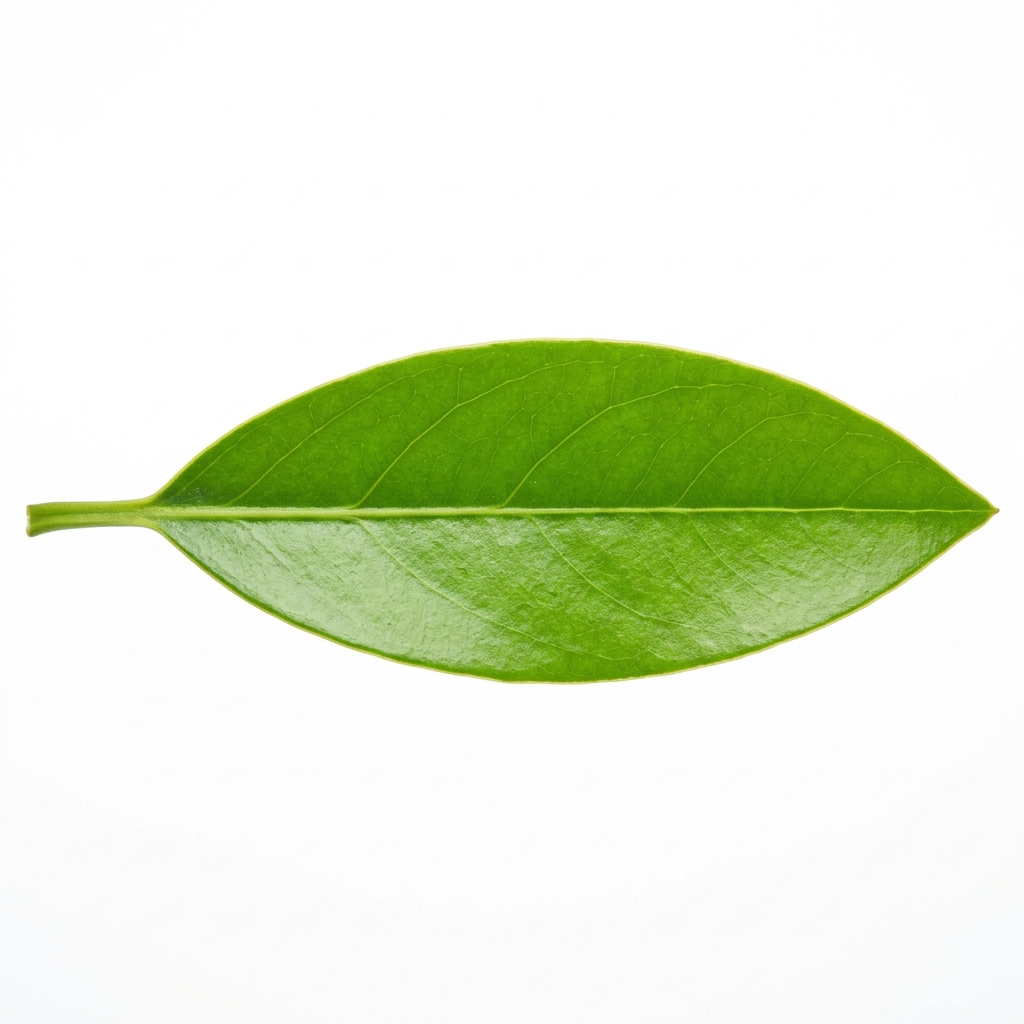
|
الباروني | Barouni | Barouni | Dual use (table and oil), smooth taste and spreads in the north. |
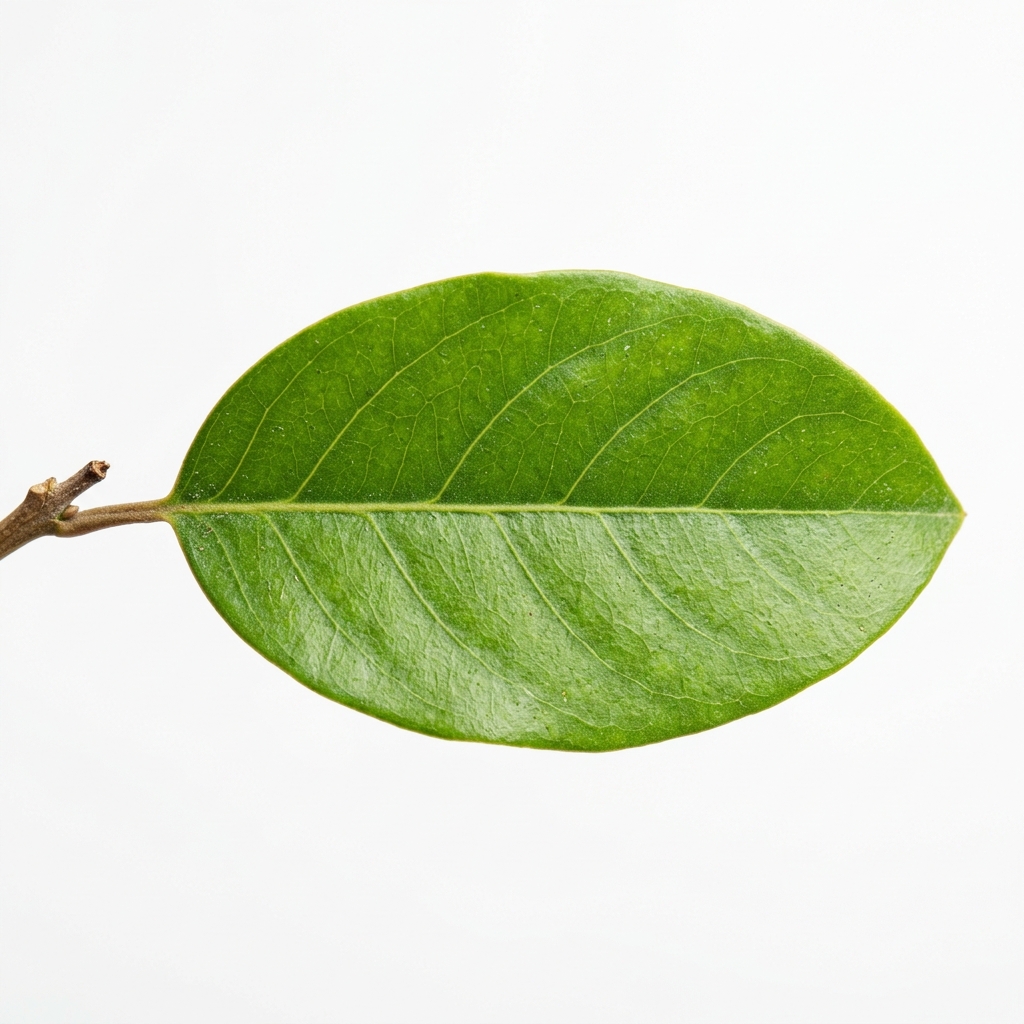
|
مسكي | Meski | Meski | Primarily table olives, characterized by large fruit size and sweet taste. |
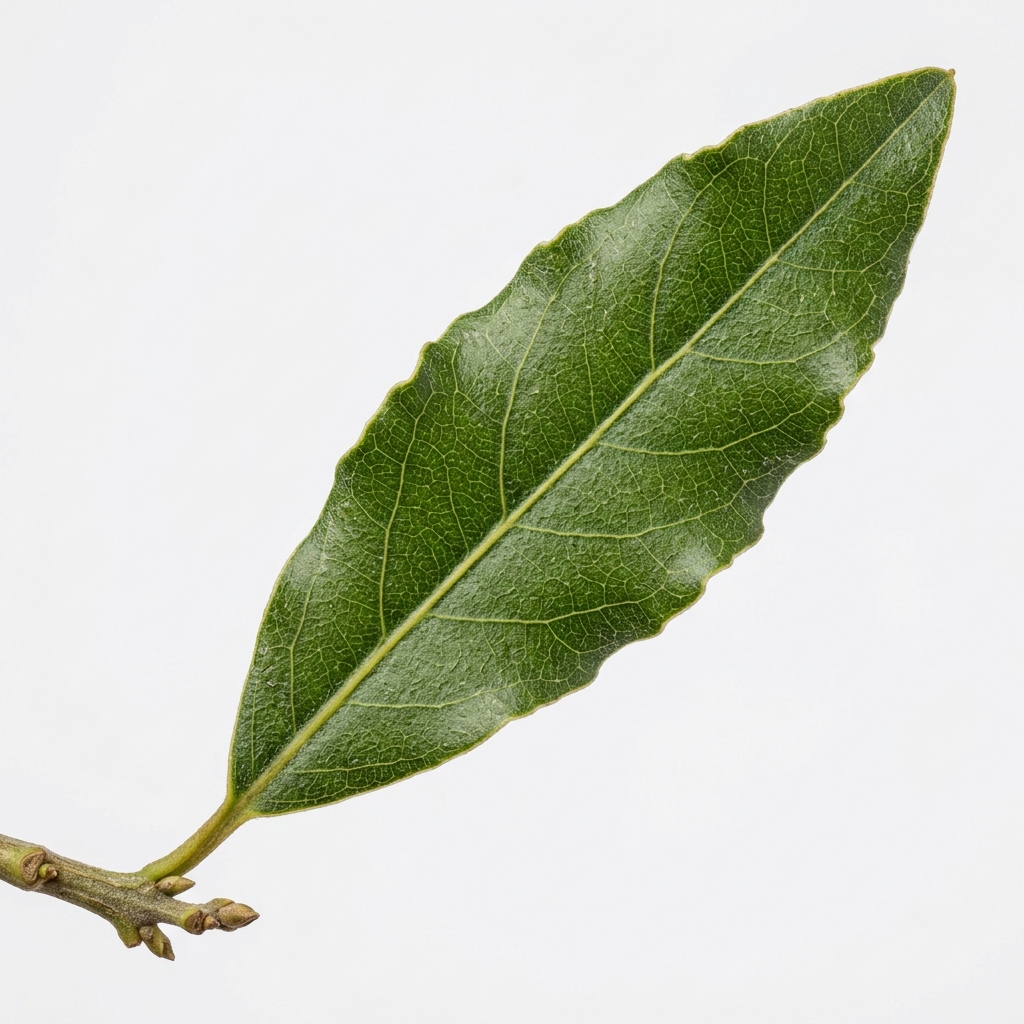
|
الشمشالي | Chemchali | Chemchali | Widespread in the south (Gafsa and Tozeur), regular production and medium bitterness oil. |
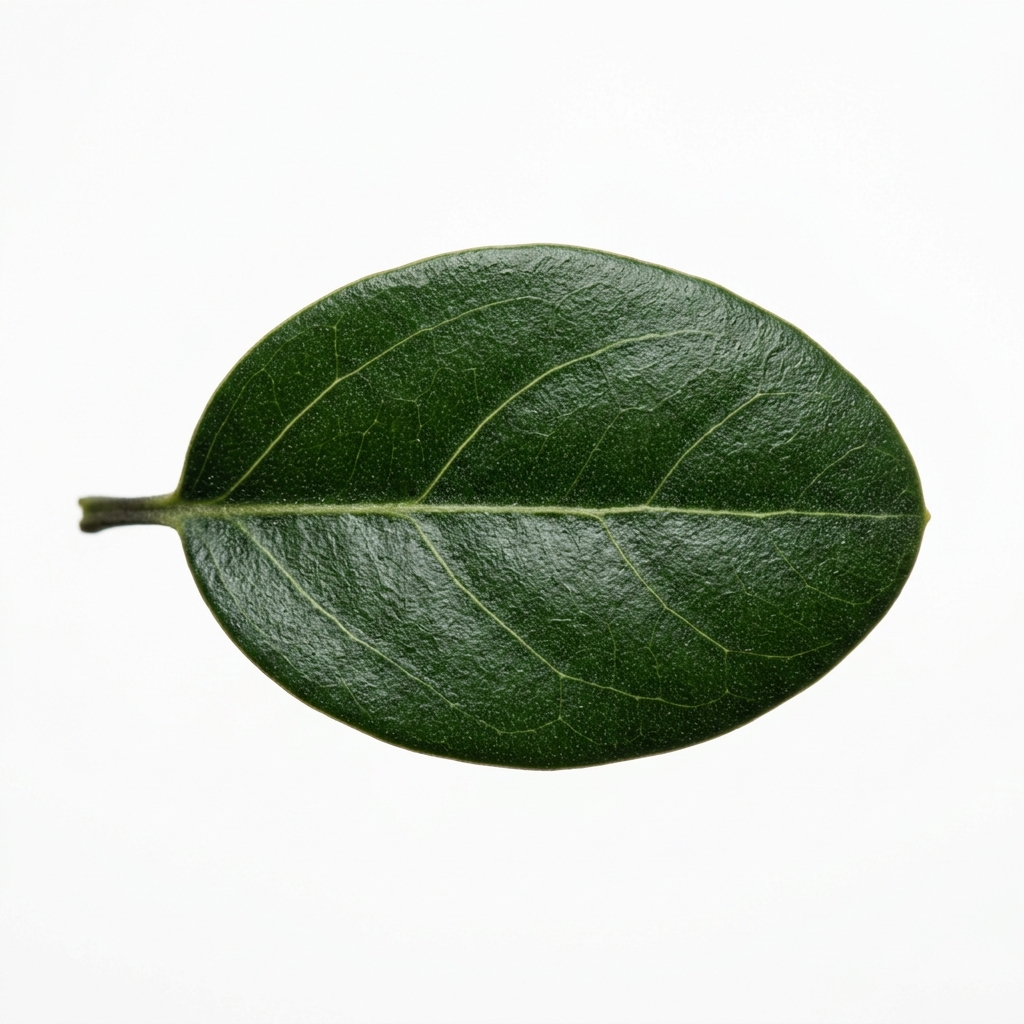
|
الجربوعي | Gerboui | Gerboui | Found mainly in the northwest, high-quality oil and balanced composition. |
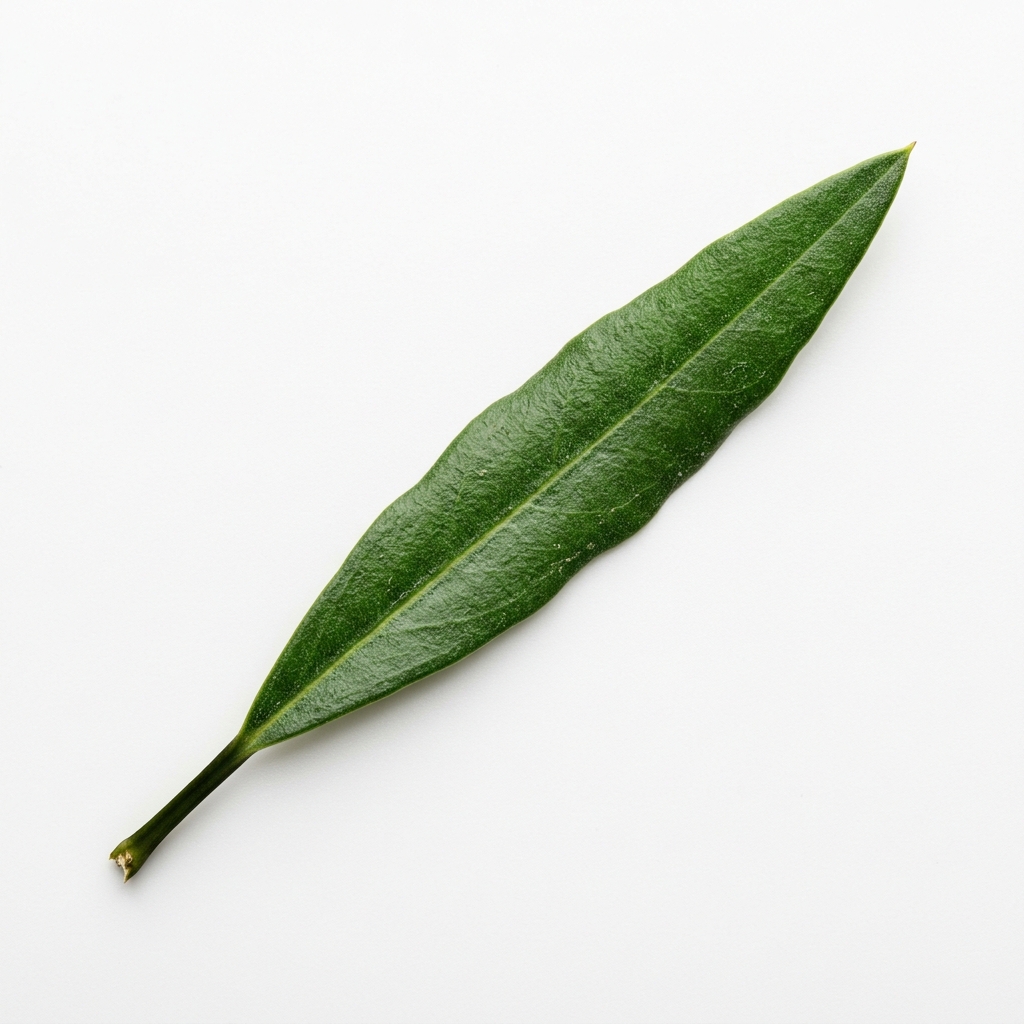
|
السيالي | Sayali | Sayali | Northern variety characterized by its tenderness and produces golden oil. |

|
الساحلي | Sahli | Sahli | Wonderfully adapted to the coastal climate, provides abundant production and light oil. |
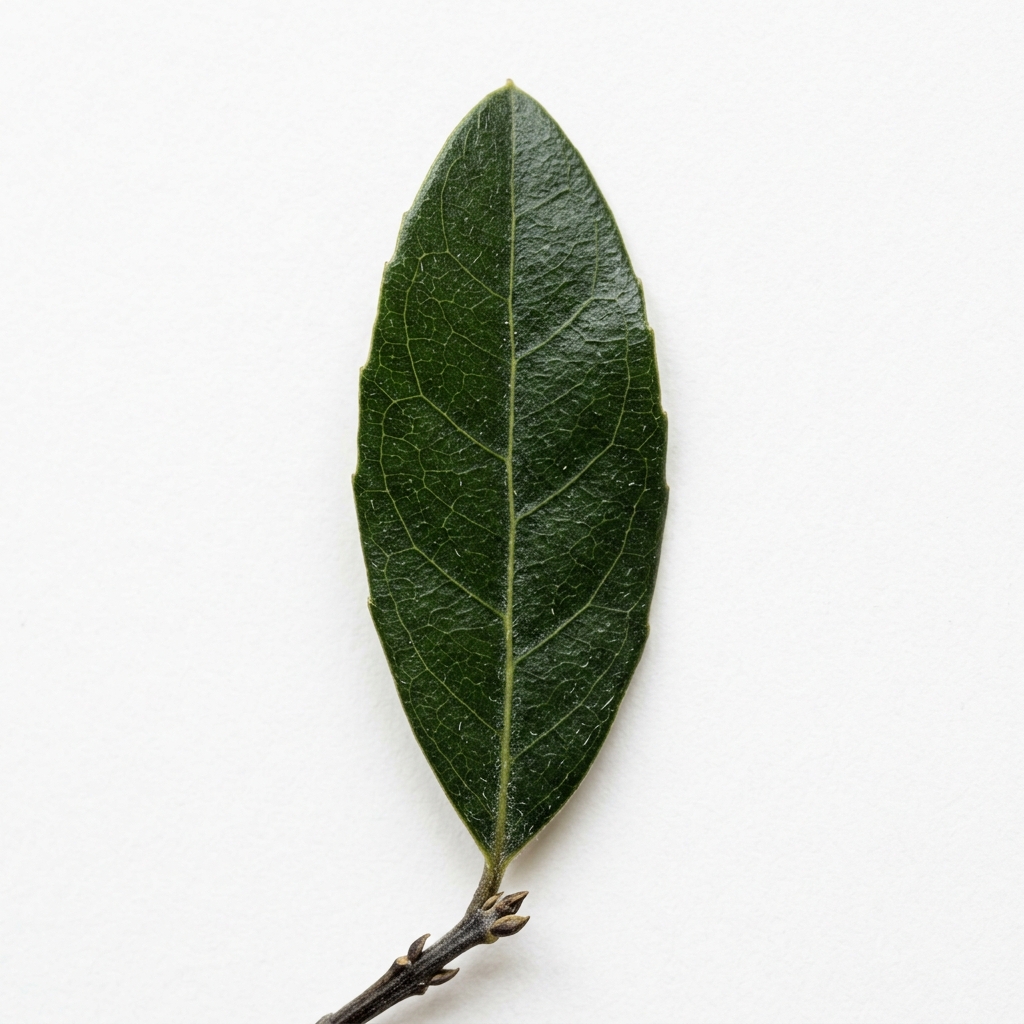
|
الفخاري | Fakhari | Fakhari | Limited spread, provides dense oil with a distinctive and deep flavor. |
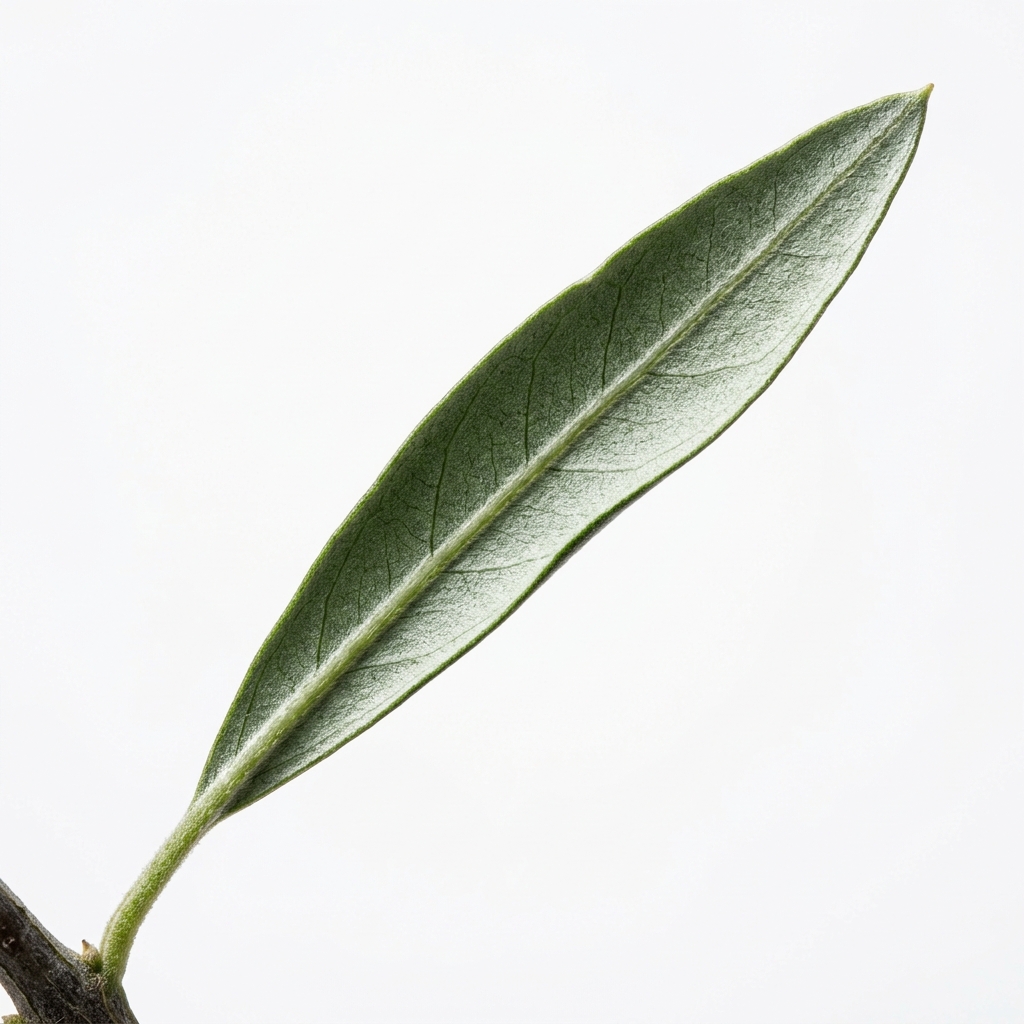
|
التونسي | Tounsi | Tounsi | One of the very old traditional varieties, possesses a special character reflecting the authenticity of the land. |
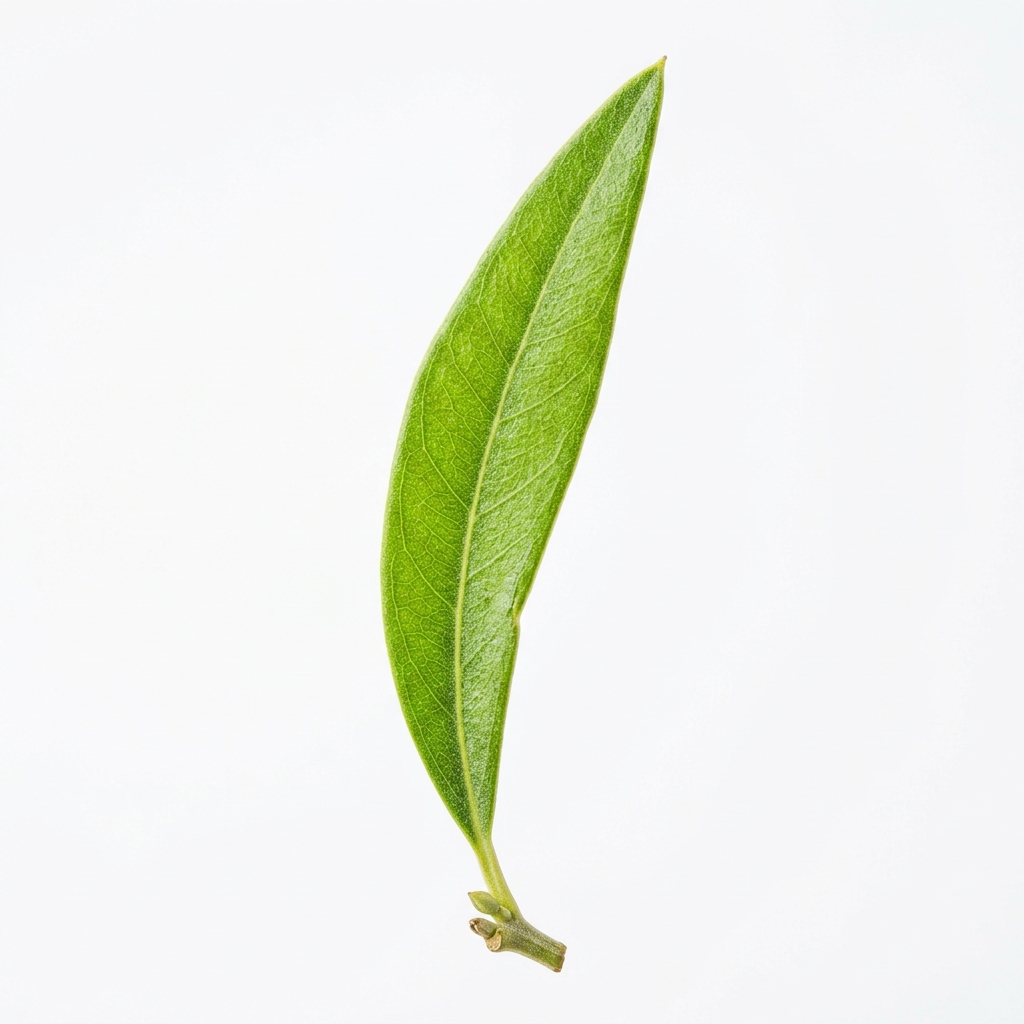
|
ناب الجمل | Neb Jmel | Neb Jmel | Distinctive long fruit shape, widely used as fine table olives. |
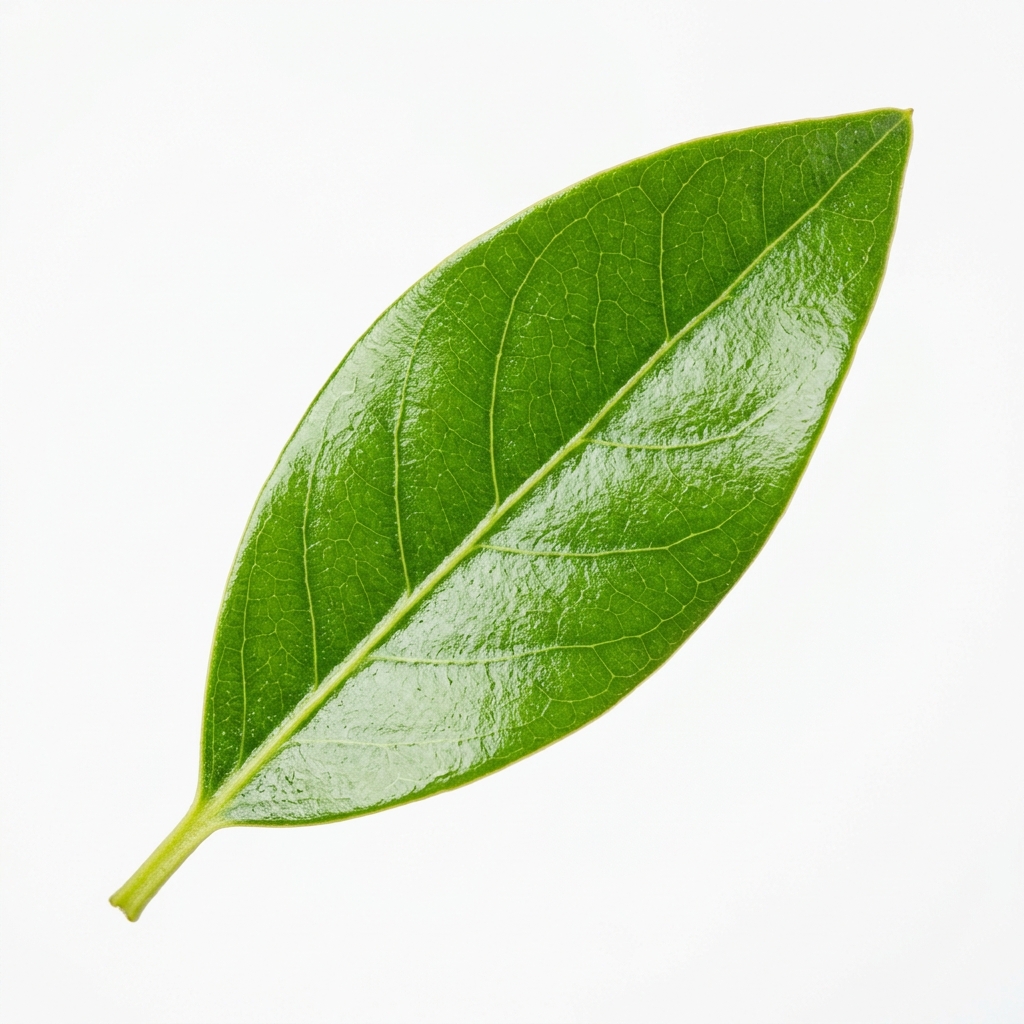
|
الرخامي | Rkhami | Rkhami | Large dual-purpose fruit (table and oil), rare and considered a local treasure. |
Chemlali
Chemlali is considered the king of varieties in central and southern Tunisia (representing more than 70% of Tunisian olive forests). It is distinguished by its amazing ability to withstand harsh drought. Its oils have a smooth and sweet taste, free of strong bitterness, with notes reminiscent of green almonds and apples, making it ideal for daily use and light cooking.
Chetoui
The main variety in northern Tunisia. This oil is a real medical treasure thanks to its exceptional levels of polyphenols (antioxidants) that can reach record levels compared to other global types. It is characterized by its strong, pungent and slightly bitter taste, with notes of green herbs and artichokes. It is the first choice for gourmets and those seeking maximum health benefits.
Oueslati and Zarazi: Treasures of the Center and South
Besides the giants (Chemlali and Chetoui), varieties like Oueslati, centered in central Tunisia (especially the Oueslat mountains), stand out. This variety combines the sweetness of Chemlali and the strength of Chetoui to produce a very balanced, high-quality oil. Meanwhile, we find Zarazi in the oases and southern regions (like Gabes and Zarzis), which is one of the finest table olive varieties, but when pressed gives us a rich, sweet oil with an attractive dark color, enduring difficult storage conditions.
Luxury Table Varieties
Tunisia's wealth is not limited to oil alone but extends to table olives. Topping the list is Meski with its large fruit and abundant flesh, considered the companion of Tunisian tables on all occasions. Sharing this is the Neb Jmel variety, distinguished by its long shape and highly appreciated for its unique appearance and delicious taste.
Conclusion
The exceptional quality of Tunisian olive oil is no coincidence, but a magical combination of a perfect Mediterranean climate, giving soil, and care inherited across generations. Exploring Tunisian olive varieties is a journey deep into history and the fragrance of nature.
Would you like to taste this quality yourself?
Browse the ZinToop platform now and discover extra virgin olive oils directly from Tunisian farmers and presses.
Browse Products