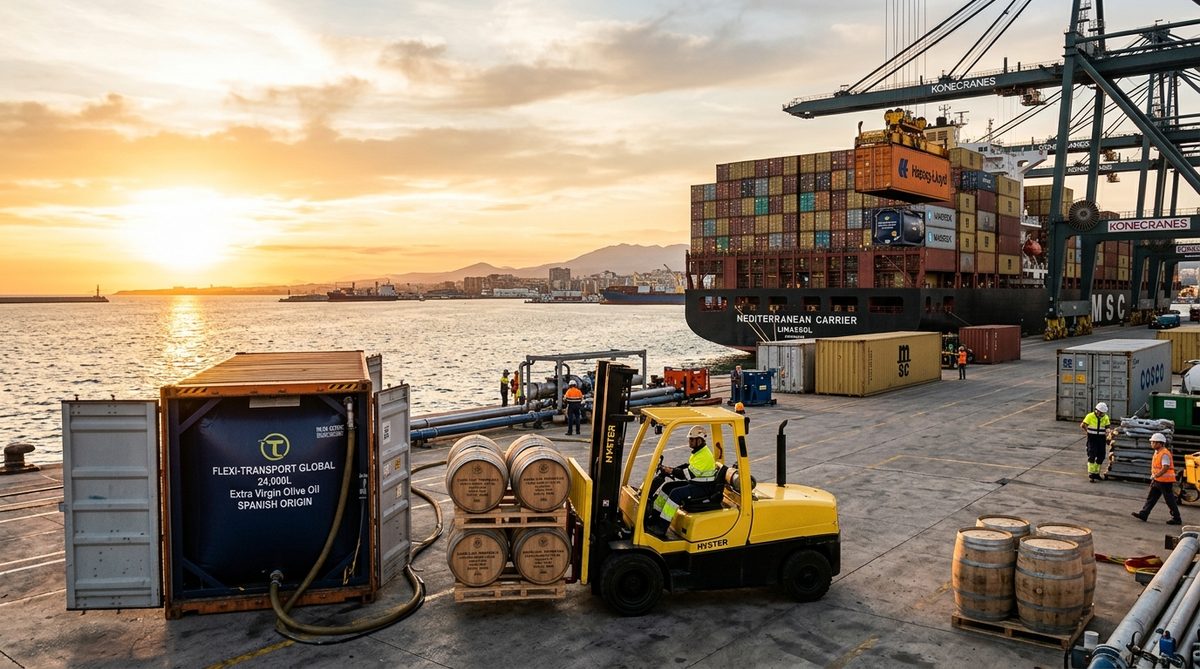














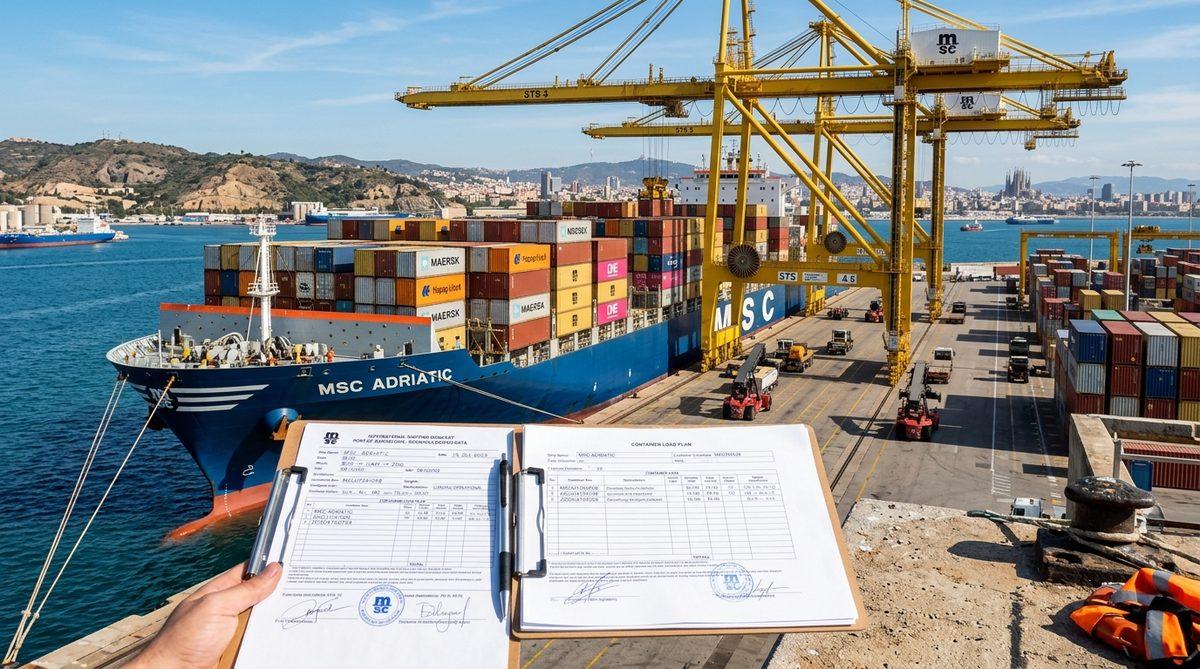
International maritime logistics is the backbone of successful olive oil trade from Tunisia. Selecting the right Incoterm (FOB, CIF, EXW) and appropriate containerization ensures cost efficiency and product integrity throughout transit.
1. Key Commercial Export Ports in Tunisia
- Port of Sfax: The historic epicenter of Tunisian olive oil, handling the bulk of Mediterranean and trans-Atlantic shipments.
- Port of Rades (Tunis): The primary container hub offering rapid, scheduled feeder services to Marseille, Genoa, and Valencia.
- Ports of Sousse and Bizerte: Specialized gateways for bottled exports and organic certified cargoes.
2. Demystifying Incoterms: FOB vs CIF vs EXW
- FOB (Free on Board - Tunisian Port): The seller manages inland transport, export customs, ONH inspection, and terminal loading. The buyer controls sea freight and cargo insurance.
- CIF (Cost, Insurance & Freight): The Tunisian exporter finances ocean freight and marine cargo insurance up to the buyer's destination port.
- EXW (Ex-Works): The buyer collects the goods directly at the mill gate in Tunisia.
3. Bulk Flexitank Advantages
- Food-grade Flexitanks loaded in 20ft dry containers accommodate up to 24,000 Liters (~21.6 Metric Tons) of extra virgin olive oil.
- Flexitanks eliminate barrel handling costs, optimize shipping volume by 35%, and maintain complete oxygen barriers during transit.
Connect with verified freight forwarders on ZinToop: https://zintoop.com/en/servicehub