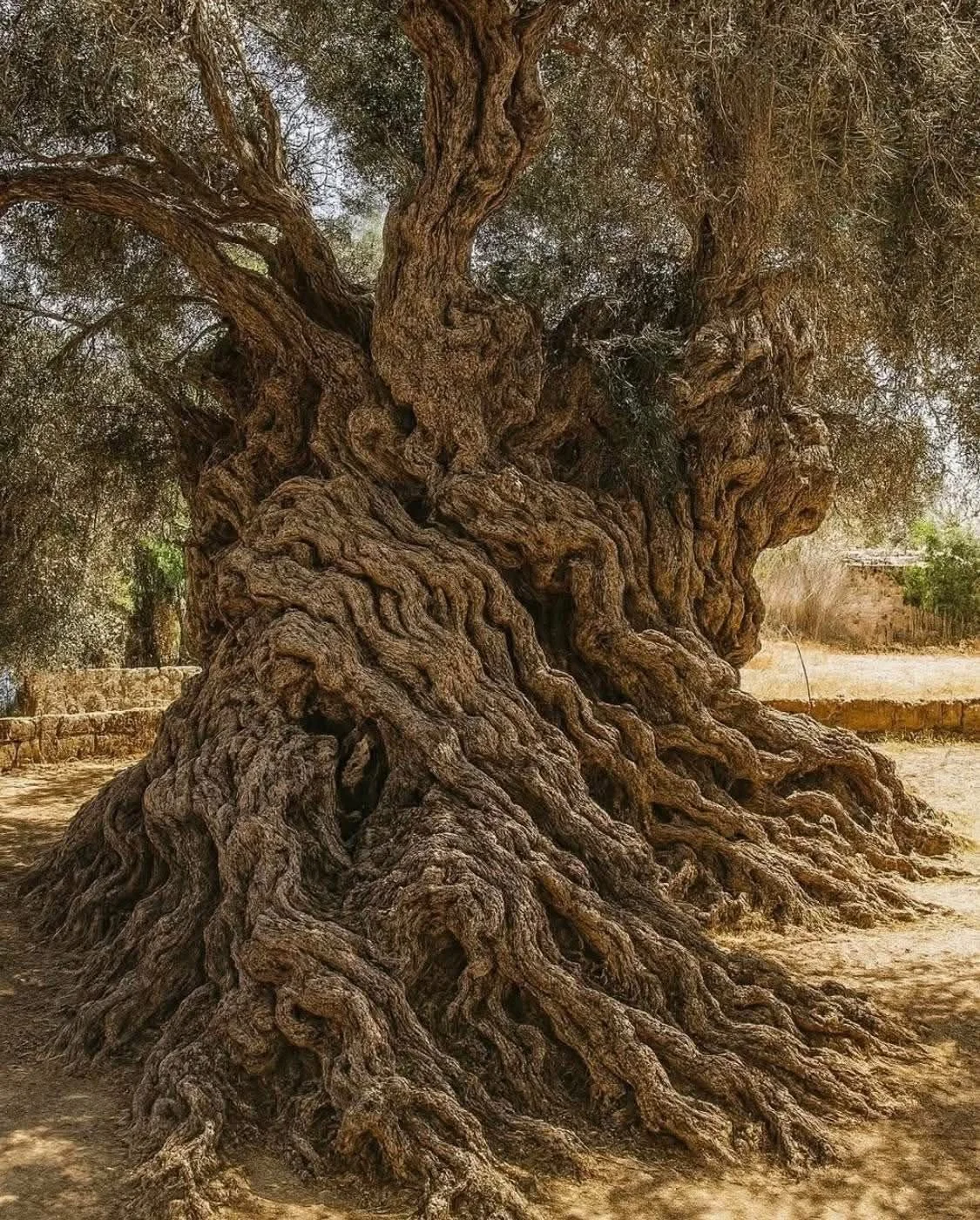












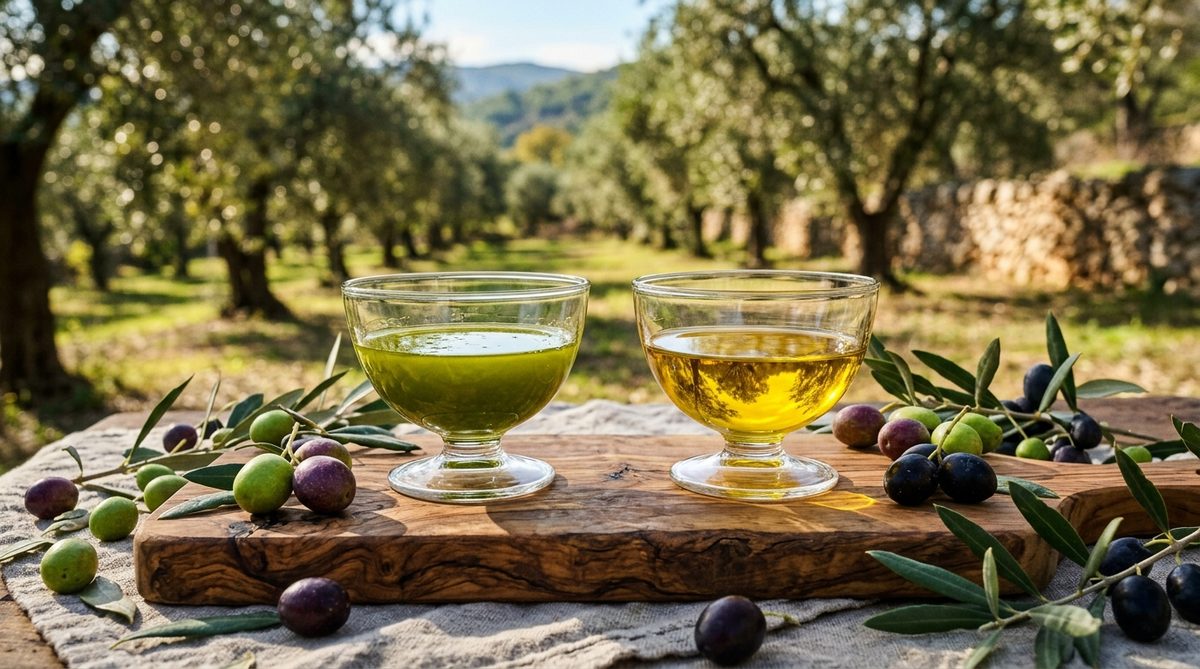
Tunisia boasts an ancient olive heritage with distinct terroir varieties, dominated by two native cultivars representing over 90% of national olive production: Chemlali and Chetoui. Understanding their chemical profiles, polyphenol counts, and sensory characteristics is vital for professional buyers and discerning consumers.
1. Chemlali: The Golden Monarch of Central & Southern Tunisia
- Primary Growing Regions: Sfax, Sahel (Sousse, Monastir, Mahdia), Kairouan, Sidi Bouzid, and Zarzis.
- Agronomic Traits: Exceptionally resilient to drought and desert arid heat, producing small, high-oil-content fruits.
- Sensory Profile:
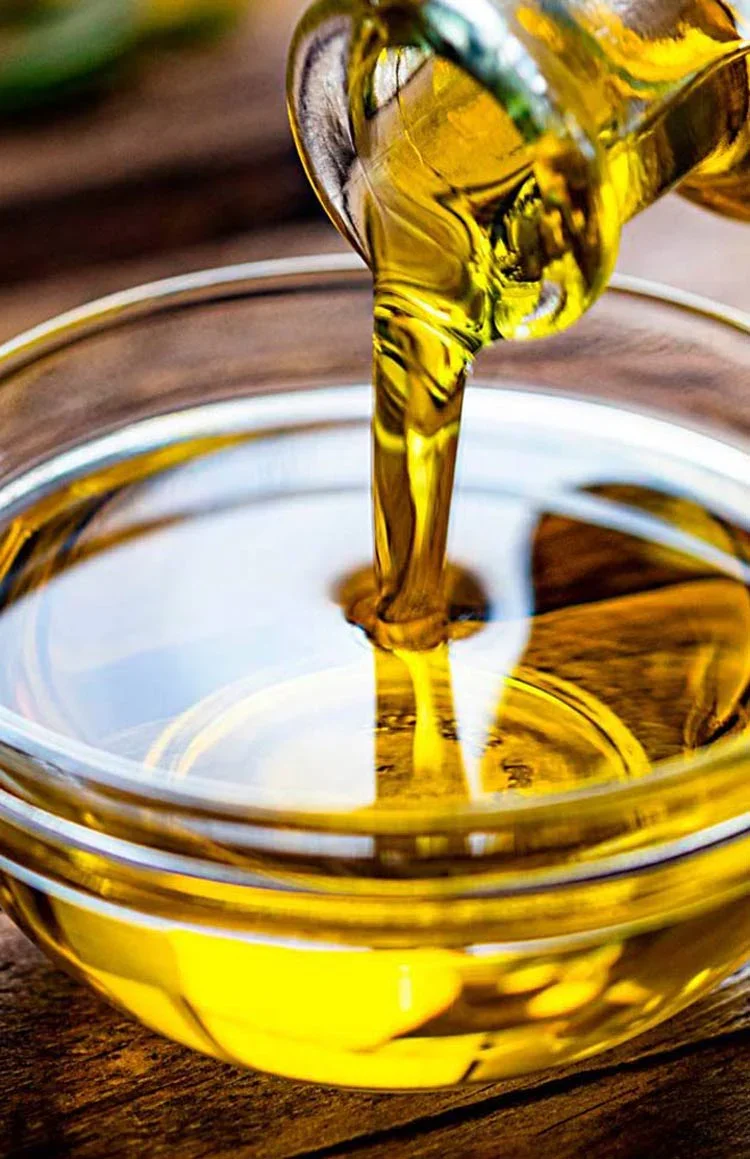
- Bright golden-yellow color with delicate greenish hues.
- Mild, sweet, fruity profile with notes of ripe almond, green apple, and smooth mouthfeel without aggressive bitterness.
- Commercial Applications: Excellent for daily culinary cooking, light dressings, and large-scale international retail blending.
2. Chetoui: The Emerald Polyphenol Powerhouse of Northern Valleys
- Primary Growing Regions: Beja, Jendouba, Bizerte, Le Kef, Siliana, and Zaghouan.
- Sensory Profile:
- Intense emerald green color with robust herbal aromatics.
- Bold, peppery, artichoke, and green tomato leaf notes with a lingering, vibrant peppery throat finish (high Oleocanthal content).
- Nutritional & Health Value:
- One of the highest natural polyphenol counts in the Mediterranean basin (often exceeding 600 to 900+ mg/kg), providing exceptional oxidation resistance and long shelf-life.
3. Side-by-Side Comparison
| Feature | Chemlali Cultivar | Chetoui Cultivar |
|---|---|---|
| Geographic Region | Central & Southern Tunisia | Northern Valleys |
| Color Profile | Golden Yellow | Deep Emerald Green |
| Bitterness & Pungency | Mild to Balanced | Bold, Robust & Peppery |
| Polyphenol Content | 250 - 450 mg/kg | 600 - 950+ mg/kg |
| Best Used For | Everyday Cooking & Blending | Dipping, Gourmet Finishing, Health |
Explore our varieties guide: https://zintoop.com/en/olive-varieties