













In Tunisian agricultural traditions, Tabouiz (التبويز) is the fundamental metric measuring olive oil extraction yield from harvested olive fruits. For growers and mill operators, mastering the Tabouiz equation directly determines seasonal profitability and net oil return.
1. Defining Tabouiz and Modern Extraction Yields
Tabouiz measures the weight of olives required to extract a standard volume of olive oil:
- Expressed as a percentage: (Weight of Extracted Oil / Weight of Milled Olives) × 100.
- Practical Example: Milling 1,000 kg of olives yielding 220 kg of extra virgin olive oil results in a 22% Tabouiz yield (approximately 4.5 kg of olives per liter of olive oil).
2. Key Factors Influencing Tabouiz Return
- Harvest Timing & Fruit Ripening: Early harvest (October-November) delivers lower yields (14-18%) with peak polyphenol counts. Late harvest (December-February) maximizes oil accumulation (22-28%).
- Cultivar & Terroir: Central Tunisian Chemlali naturally produces superior lipid concentrations compared to large table-oil hybrids.
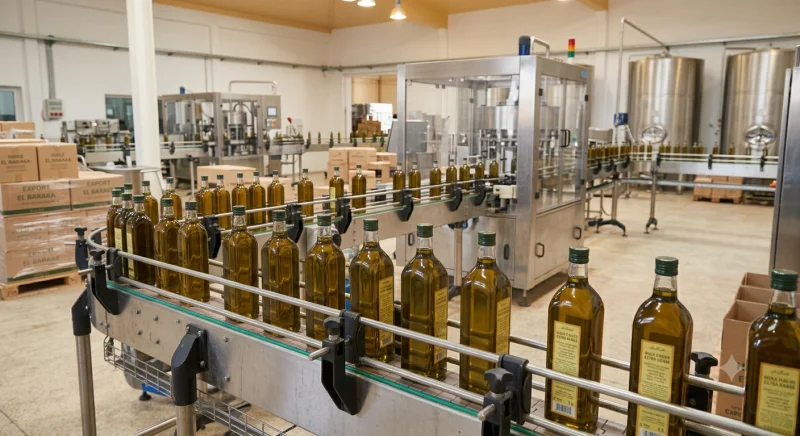
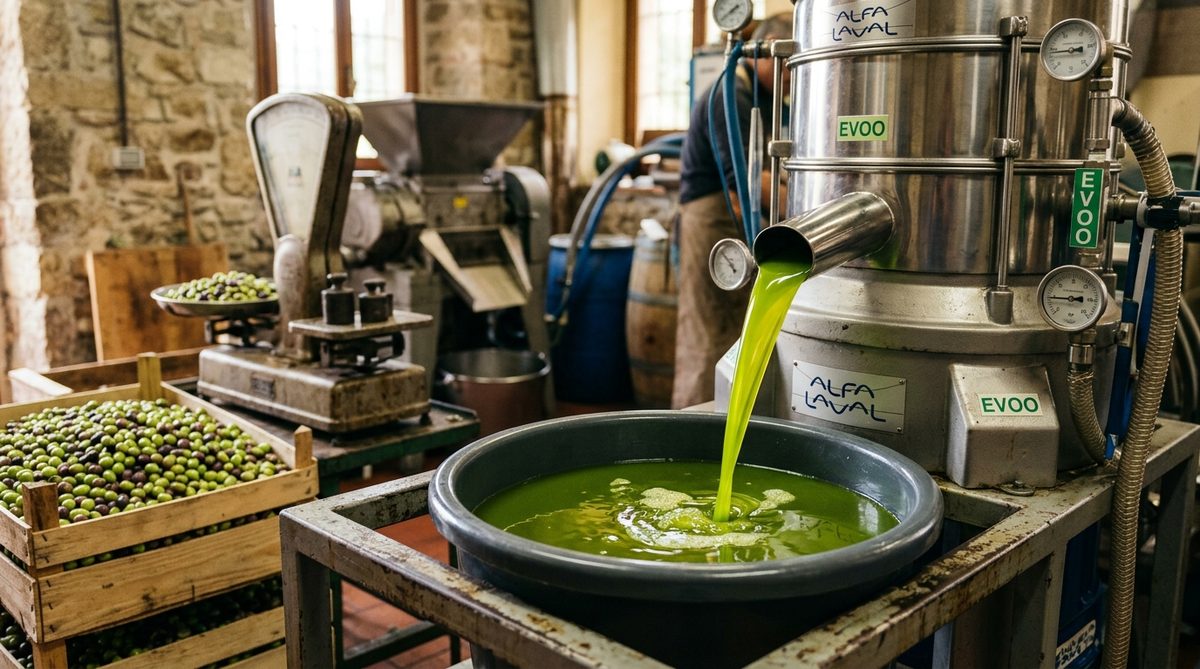
- Milling Technology: Modern cold-extraction continuous decanters optimize oil-from-pomace separation without overheating olive paste (<27°C).
Calculate your harvest yield and list your extra virgin oil on ZinToop: https://zintoop.com/en/catalog